%2Ffit-in%2F250x250%2Fguide_websites%2F19805%2Fimages%2F1732217239319337263490_1209063929736655_1882538978645740064_n.jpg&w=1920&q=100)
/users/f9edccf9-d5e0-4cd5-bbbe-a95a6b04606b/ratecard/458918545_474595468904328_6134594942089139376_n1.jpg)
%2F300x300%2Fusers%2Ff9edccf9-d5e0-4cd5-bbbe-a95a6b04606b%2Fratecard%2F458918545_474595468904328_6134594942089139376_n1.jpg&w=256&q=75)
%2F300x300%2Fusers%2Ff9edccf9-d5e0-4cd5-bbbe-a95a6b04606b%2Fimages%2Fredfish-caught-florida-2501.jpg&w=256&q=75)
%2F300x300%2Fusers%2Ff9edccf9-d5e0-4cd5-bbbe-a95a6b04606b%2Fimages%2Fredfish-caught-fl-2569.jpg&w=256&q=75)
%2F300x300%2Fusers%2Ff9edccf9-d5e0-4cd5-bbbe-a95a6b04606b%2Fimages%2Ffishing-trio-old-town-2416.jpg&w=256&q=75)
%2F300x300%2Fusers%2Ff9edccf9-d5e0-4cd5-bbbe-a95a6b04606b%2Fimages%2Ffishing-old-town-2591.jpg&w=256&q=75)
%2F300x300%2Fusers%2Ff9edccf9-d5e0-4cd5-bbbe-a95a6b04606b%2Fimages%2Fsuccessful-fishing-trip-florida-2443.jpg&w=256&q=75)
%2F300x300%2Fusers%2Ff9edccf9-d5e0-4cd5-bbbe-a95a6b04606b%2Fimages%2Ffishing-trio-old-town-2457.jpg&w=256&q=75)
%2F300x300%2Fusers%2Ff9edccf9-d5e0-4cd5-bbbe-a95a6b04606b%2Fimages%2Ffishing-adventure-old-town-2440.jpg&w=256&q=75)
%2F300x300%2Fusers%2Ff9edccf9-d5e0-4cd5-bbbe-a95a6b04606b%2Fimages%2Fold-town-redfish-reel-2517.jpg&w=256&q=75)
Top-Rated Suwannee River Fishing Adventure
 Suwannee
What you will be catching:
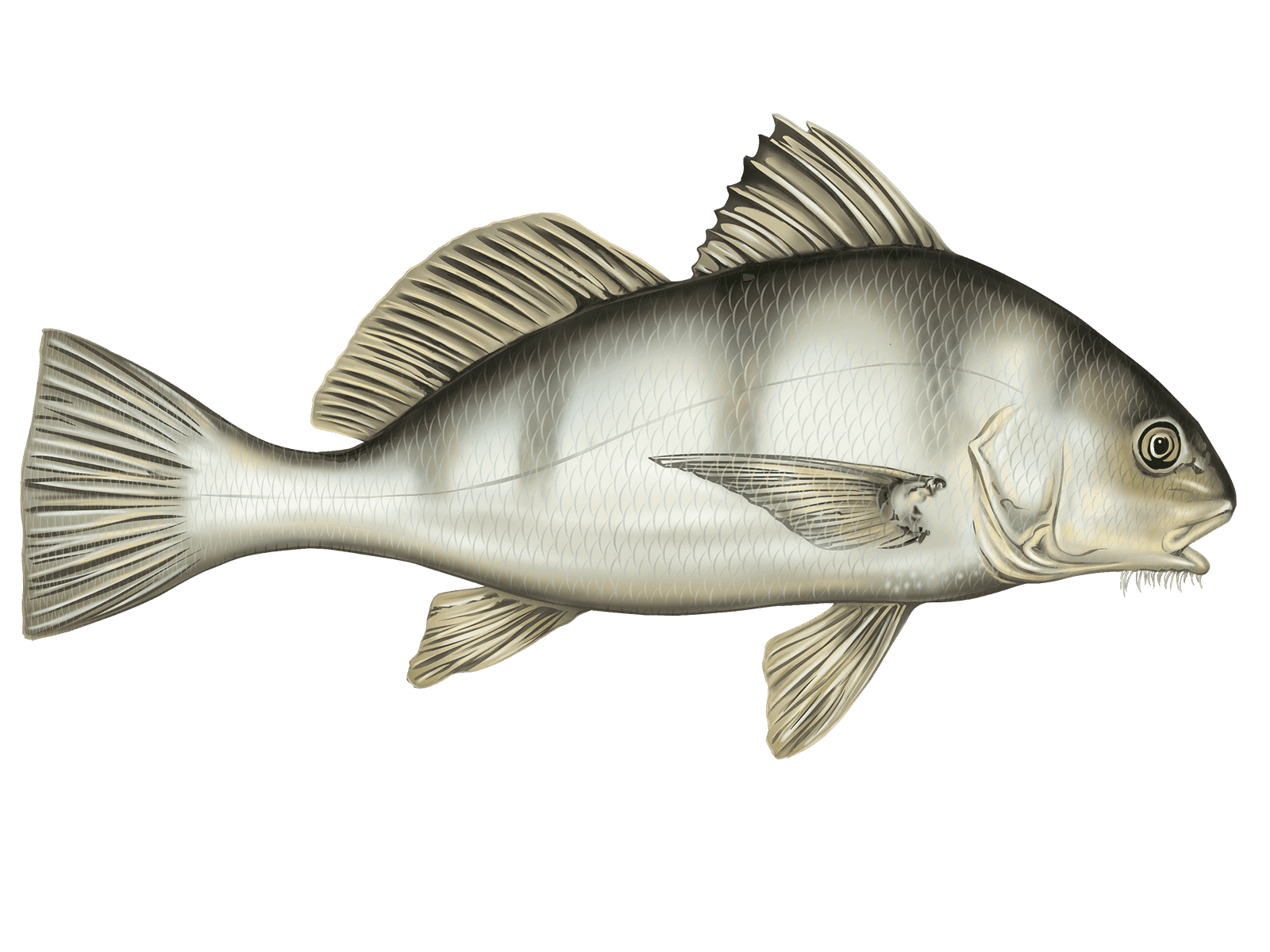
 Black Drum
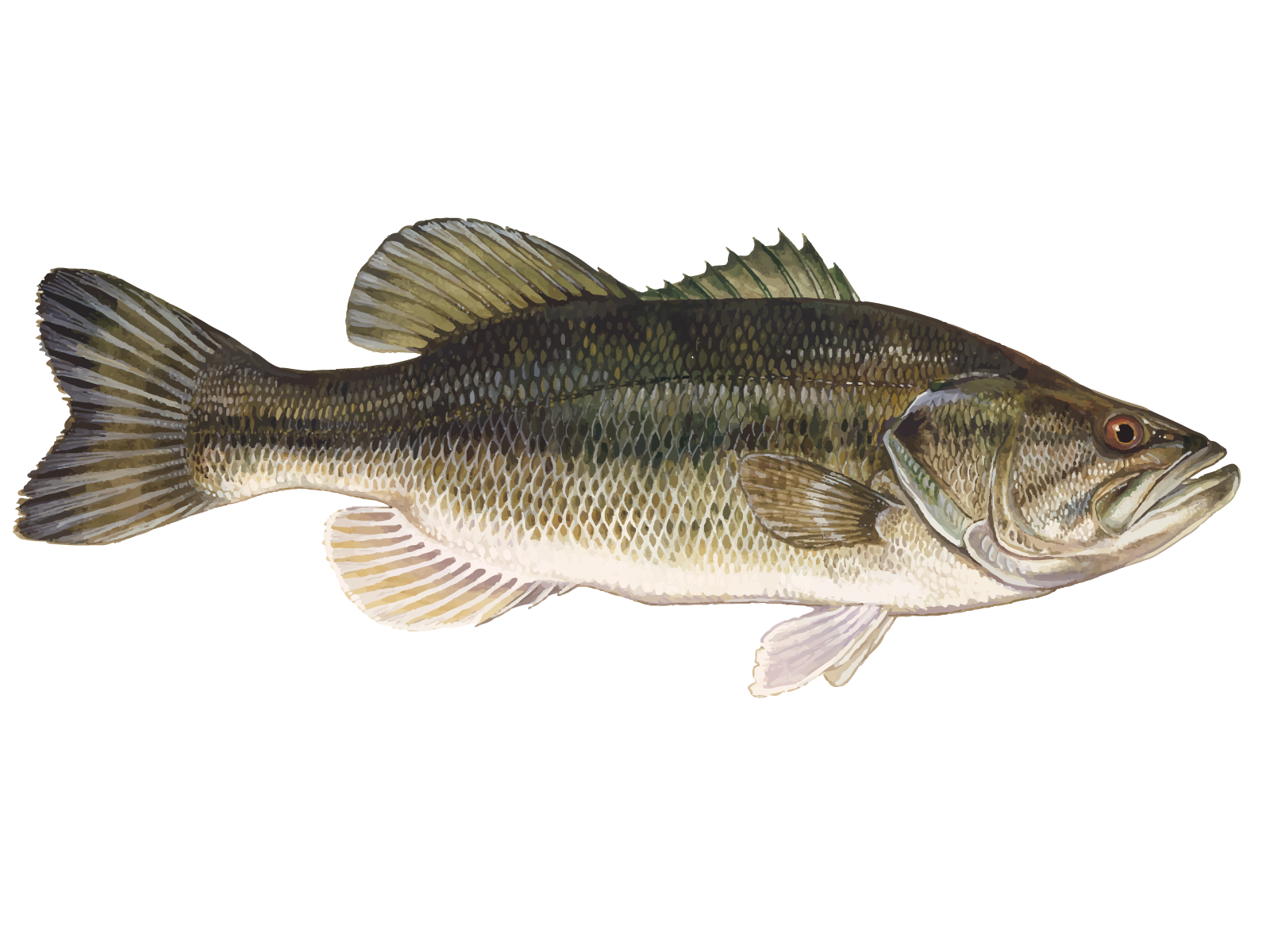 Largemouth Bass
 Redfish
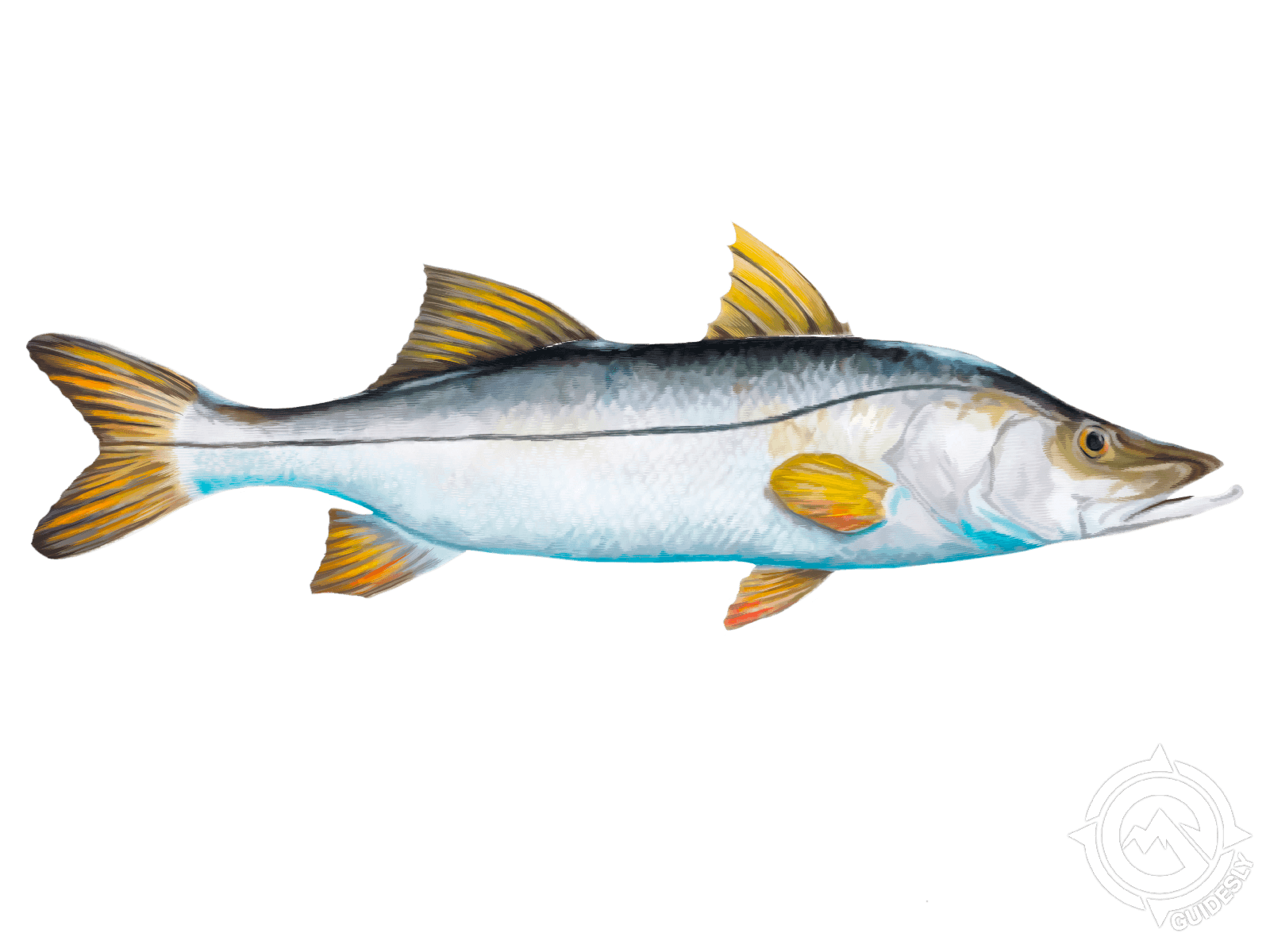
 Snook
Snook Tarpon
- 4-hour morning trip targets redfish, snook, tarpon, and cobia
- Expert guide provides local knowledge based on tides and conditions
- Accommodates two anglers with personalized attention and backup plans
Trip Pricing and Availabilities:
Half Day Suwannee River Fishing Adventure
Looking for a solid half-day fishing trip that won't break the bank? My 4-hour guided fishing charter on the Suwannee River delivers exactly what serious anglers want - productive waters, multiple species, and the kind of local knowledge that makes all the difference. Starting at 7:00 AM when the fish are most active, this trip gives you and one buddy the chance to target everything from shallow-water redfish to creek-running snook. At $450 for two people, you're getting access to some of Florida's most diverse fishing waters with a guide who knows where the fish live and what they're biting.
What to Expect on the Water
The Suwannee River system is unlike anywhere else you'll fish in Florida. We're talking about a river that flows from Georgia's Okefenokee Swamp down to the Gulf, creating this amazing mix of freshwater and brackish environments that fish absolutely love. During our 4-hour trip, we'll work different zones depending on what's biting best - could be the grass flats near the mouth for redfish, the deeper channels for tarpon, or back in the creek systems where snook love to ambush bait. The water here stays relatively clear most of the year, which means sight fishing opportunities you won't find in many other river systems. I keep the boat moving efficiently between spots, so you're spending more time with lines in the water than traveling between locations.
Techniques & Tackle
This isn't a one-trick-pony kind of trip. Depending on conditions and what we're targeting, we might be throwing live shrimp under popping corks for redfish, working soft plastics along oyster bars for black drum, or pitching jigs into structure for snook. I provide all the gear you'll need, from spinning setups perfect for finesse work to heavier tackle when we're chasing tarpon. The beauty of the Suwannee system is that you can catch saltwater species like redfish and snook in the same areas where largemouth bass are cruising the grass beds. We'll adjust our approach throughout the morning - maybe start with topwater action at dawn, then switch to bottom fishing as the sun gets higher. I'll teach you the local techniques that work best here, like how to read the current breaks and which baits produce when the tide changes.
Top Catches This Season
Largemouth Bass here aren't your typical pond fish - they're feeding on the same shrimp and mullet as the saltwater species, making them incredibly strong fighters. These bass average 2-4 pounds but can push 6-7 pounds during peak seasons. Spring and fall are prime time when they're most aggressive, often hitting the same lures we use for snook. What makes catching bass in the Suwannee special is that you never know if the next strike will be a bass or a redfish - keeps you on your toes.
Snook are the crown jewel of Suwannee River fishing, and we've got some of the most consistent snook fishing in North Florida. These fish love the structure-rich environment here - fallen trees, dock pilings, and oyster bars provide perfect ambush spots. Slot-size snook (28-33 inches) are common, with plenty of oversized fish that'll test your drag system. Summer months bring the best action when snook are most active, but we catch them year-round. They're incredibly smart fish that require precise presentations, making them a favorite challenge for experienced anglers.
Black Drum are the bulldogs of the river system, averaging 5-15 pounds with occasional giants pushing 30-40 pounds. These fish are bottom feeders that love crabs and shrimp, making them perfect targets when we're fishing the oyster bars and muddy flats. They're available year-round but peak during cooler months when they school up in deeper holes. The fight is all about endurance - they don't jump like tarpon, but they'll test your patience with their stubborn, head-shaking battles.
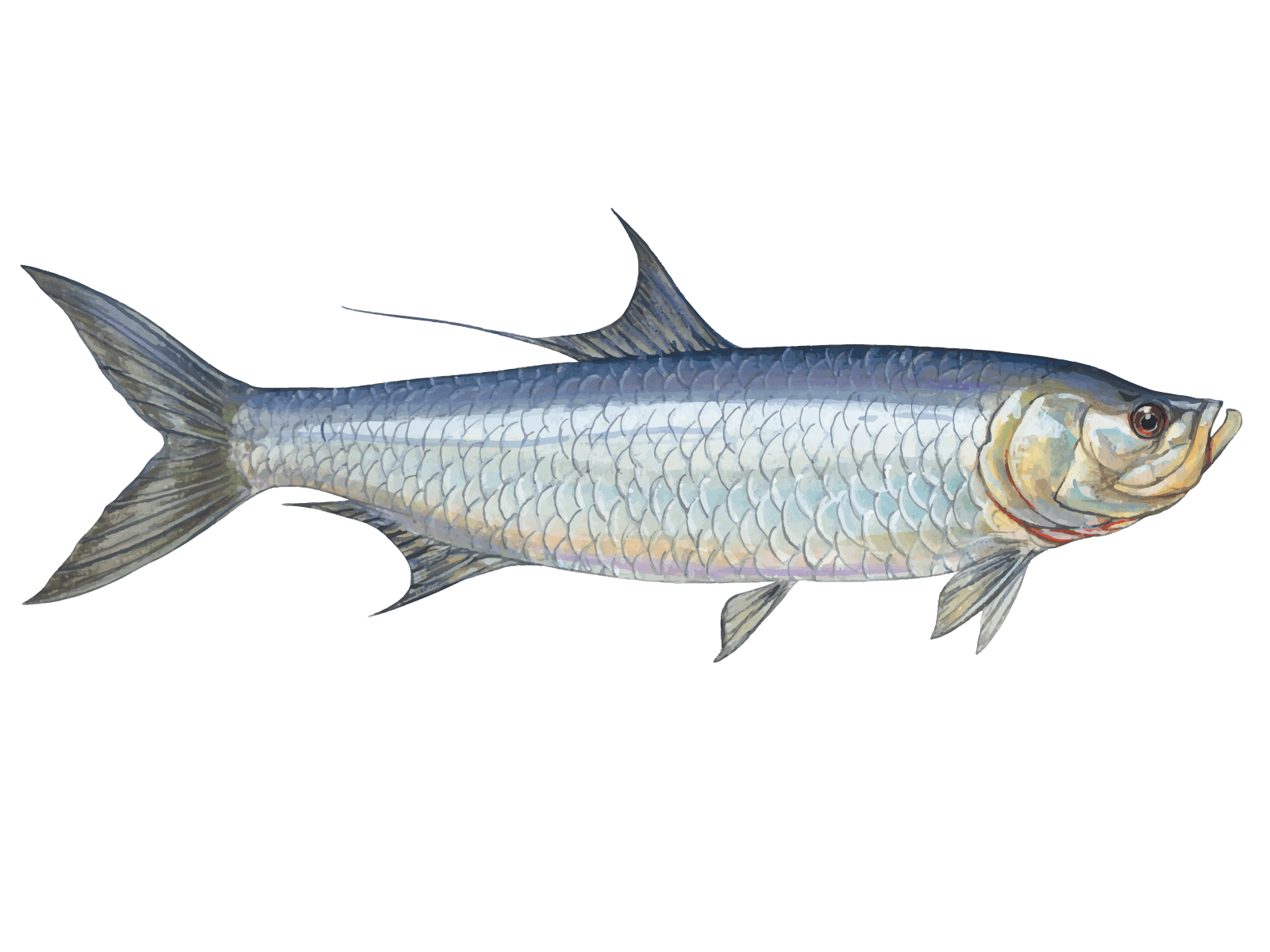
Tarpon sightings always get the adrenaline pumping, even if we're not specifically targeting them. The Suwannee River sees juvenile tarpon (20-50 pounds) regularly, especially during summer months when they follow baitfish up into the brackish water. These fish are pure excitement - when a tarpon hits, everything else stops. They're catch-and-release only, but the photo opportunities and stories you'll tell make them worth every minute of the fight.
Redfish are probably our most reliable target species throughout the year. The grass flats and oyster bars provide ideal habitat, and these copper-colored fighters are always hungry. Most redfish here run 18-27 inches (slot size), with plenty of oversized bulls that provide arm-burning fights. They're excellent table fare when kept within regulations, and their willingness to eat both live bait and artificial lures makes them perfect for anglers of all skill levels. Fall months bring some of the best redfish action when they school up in shallow water.
Time to Book Your Spot
This half-day trip gives you a real taste of what makes Suwannee River fishing so special without committing to a full day on the water. Whether you're new to inshore fishing or a seasoned angler looking to explore new waters, this 4-hour adventure delivers variety, action, and the kind of local expertise that makes the difference between a good day and a great day. The early morning start time puts us on the water when fish are most active, and the reasonable price point makes it accessible for most fishing budgets. Don't sleep on booking - the Suwannee River system is gaining recognition as one of Florida's top inshore destinations, and prime dates fill up quickly during peak seasons.
Learn more about the species
Black Drum
Black drum are the bruisers of our local waters, typically running 5-30 pounds but capable of hitting 90+ pounds. These grey-black bottom feeders love oyster beds, muddy flats, and brackish areas where they crush shellfish with powerful jaws. Spring around spawning season is prime time when they school up and make those famous drumming sounds you can actually hear underwater. What makes them special is their incredible adaptability - they'll move from deep channels to super shallow flats following the tide. The smaller ones under 15 pounds make excellent table fare with firm, flaky meat. Here's my local secret: use fresh crab for bait instead of shrimp - it stays on the hook better and the catfish won't steal it while you're waiting for drum to find it.
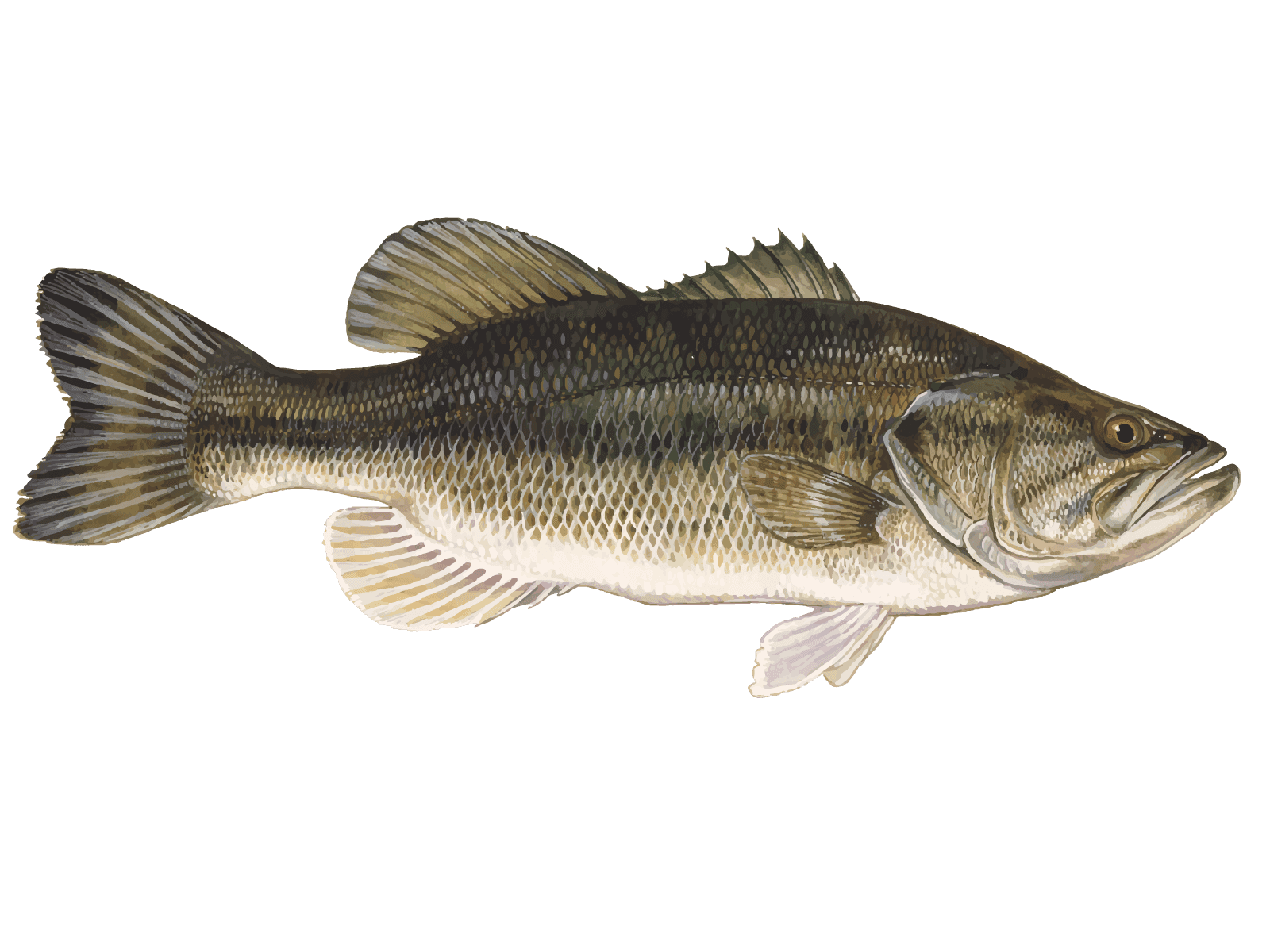
Largemouth Bass
Largemouth bass are a freshwater favorite that typically run 12-24 inches and 1-4 pounds in these waters. You'll find them hiding around structure like fallen trees, thick weeds, and shallow muddy areas where they can ambush prey. They're most active during spring spawning season when water hits that steady 60°F mark, but they bite year-round if you know where to look. What makes them special is that massive mouth - when it opens, the upper jaw extends way past their eyes. They put up a solid fight and make great table fare when kept from clean water. My go-to trick is using red lures since bass are naturally attracted to that color, especially around heavy cover where they like to hang out.
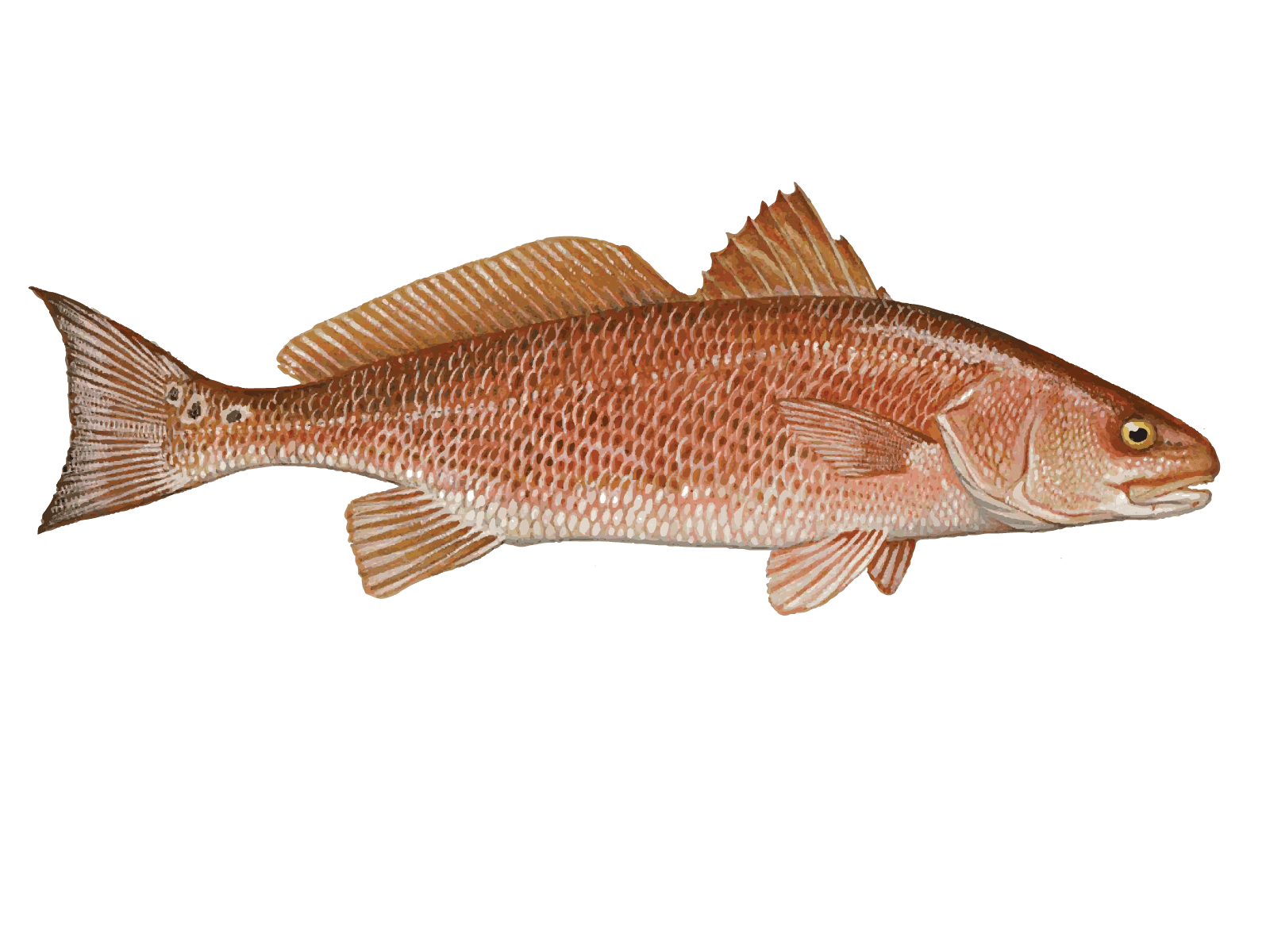
Redfish
Redfish are our bread-and-butter inshore species, running 20-35 inches on average with that signature copper color and black eyespot near the tail. They love super shallow water - often so shallow their backs show above the surface - around oyster bars, grass flats, and muddy bottoms. Fall and spring are prime seasons when they school up and feed aggressively, but they bite year-round in our area. What guests love is their powerful runs and the sight-fishing opportunities in clear, shallow water. They're also excellent table fare with mild, sweet meat. The eyespot tricks predators into attacking the wrong end so they can escape. Here's my local trick: look for nervous water or mullet jumping - redfish are usually pushing bait underneath, and that's when they're most likely to eat your lure.
Snook
Snook are one of our most popular targets, averaging 1-2 feet but capable of reaching over 4 feet. These silvery fighters with that distinctive black lateral line love hanging around mangroves, docks, and creek mouths where fresh and salt water mix. They're temperature-sensitive fish, so prime time is late spring through early fall when water stays warm. What guests love most is their explosive strikes and acrobatic jumps - they'll give you a fight you won't forget. The meat is excellent eating with firm white flesh. During spawning season from May to September around new and full moons, their fins turn bright yellow and they school up near high-current areas. Pro tip: work your lure slowly around structure - snook like to ambush from cover just like bass.
Tarpon
Tarpon are the ultimate bucket-list fish, averaging 4 feet and 80-100 pounds but growing up to 8 feet and 280 pounds. These silver kings migrate through our waters from late spring to early fall, moving between shallow coastal areas, river mouths, and deeper channels. What makes them legendary is their acrobatics - they'll jump 10 feet out of the water and can swim 35 mph. Most anglers practice catch-and-release since they're bony and not great eating, plus they can live 50+ years. The fight is what brings people back - pure power combined with aerial displays. Best fishing is around dawn and dusk when they're actively feeding. My key tip: keep steady pressure but bow to their jumps - when they go airborne, drop your rod tip or they'll throw the hook every time.
About the Suwannee FL fishing charters
%2F%2Fusers%2Ff9edccf9-d5e0-4cd5-bbbe-a95a6b04606b%2Fvehicle_picture%2F464078764_506834072347134_285740098011275093_n.jpg&w=1920&q=75)
Vehicle Guest Capacity: 5
Manufacturer Name: Mercury
Maximum Cruising Speed: 31
Number of Engines: 1
Horsepower per Engine: 115
Get ready for some serious action on the Suwannee River! This 4-hour morning fishing trip kicks off at 7:00 AM and puts you right in the heart of Florida's most productive fishing waters. You'll be targeting an awesome variety of species including redfish, snook, tarpon, cobia, black drum, tripletail, flounder, largemouth bass, and speckled trout. The beauty of this spot is you can switch between saltwater and freshwater fishing all in one trip. Perfect for two anglers who want a personalized experience without the crowds. The Suwannee offers some of the most consistent fishing in Florida, and whether you're after that trophy snook or a feisty redfish, these waters deliver. Great for all skill levels, and at $450 for both guests, it's a solid deal for a guided adventure that'll have you talking about it for months.