%2Ffit-in%2F250x250%2Fguide_websites%2F19805%2Fimages%2F1732217239319337263490_1209063929736655_1882538978645740064_n.jpg&w=1920&q=100)
/users/f9edccf9-d5e0-4cd5-bbbe-a95a6b04606b/ratecard/616460331_858419660521905_1902821801146869833_n-mkp9w37p.jpg)
%2F300x300%2Fusers%2Ff9edccf9-d5e0-4cd5-bbbe-a95a6b04606b%2Fratecard%2F616460331_858419660521905_1902821801146869833_n-mkp9w37p.jpg&w=256&q=75)
%2F300x300%2Fusers%2Ff9edccf9-d5e0-4cd5-bbbe-a95a6b04606b%2Fimages%2Fanglers-great-fishing-florida-2318.jpg&w=256&q=75)
%2F300x300%2Fusers%2Ff9edccf9-d5e0-4cd5-bbbe-a95a6b04606b%2Fimages%2Fredfish-catch-florida-2516.jpg&w=256&q=75)
%2F300x300%2Fusers%2Ff9edccf9-d5e0-4cd5-bbbe-a95a6b04606b%2Fimages%2Fredfish-caught-florida-2501.jpg&w=256&q=75)
%2F300x300%2Fusers%2Ff9edccf9-d5e0-4cd5-bbbe-a95a6b04606b%2Fimages%2Fredfish-caught-fl-2569.jpg&w=256&q=75)
%2F300x300%2Fusers%2Ff9edccf9-d5e0-4cd5-bbbe-a95a6b04606b%2Fimages%2Ffishing-trio-old-town-2416.jpg&w=256&q=75)
%2F300x300%2Fusers%2Ff9edccf9-d5e0-4cd5-bbbe-a95a6b04606b%2Fimages%2Ffishing-old-town-2591.jpg&w=256&q=75)
%2F300x300%2Fusers%2Ff9edccf9-d5e0-4cd5-bbbe-a95a6b04606b%2Fimages%2Fsuccessful-fishing-trip-florida-2443.jpg&w=256&q=75)
%2F300x300%2Fusers%2Ff9edccf9-d5e0-4cd5-bbbe-a95a6b04606b%2Fimages%2Ffishing-trio-old-town-2457.jpg&w=256&q=75)
%2F300x300%2Fusers%2Ff9edccf9-d5e0-4cd5-bbbe-a95a6b04606b%2Fimages%2Ffishing-adventure-old-town-2440.jpg&w=256&q=75)
%2F300x300%2Fusers%2Ff9edccf9-d5e0-4cd5-bbbe-a95a6b04606b%2Fimages%2Fold-town-redfish-reel-2517.jpg&w=256&q=75)
Advanced Suwannee Inshore Fishing Charters
 Suwannee
What you will be catching:
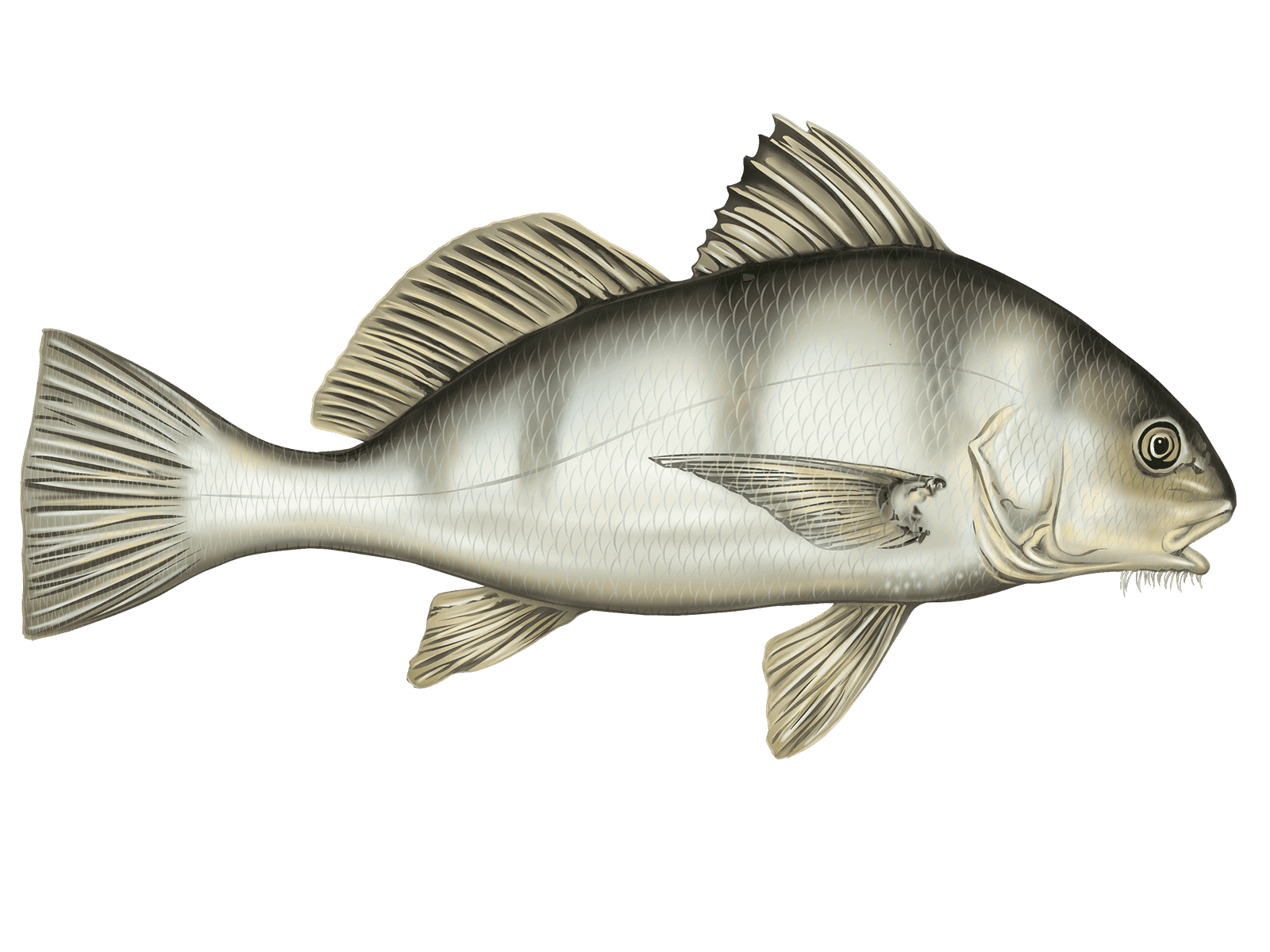
 Black Drum
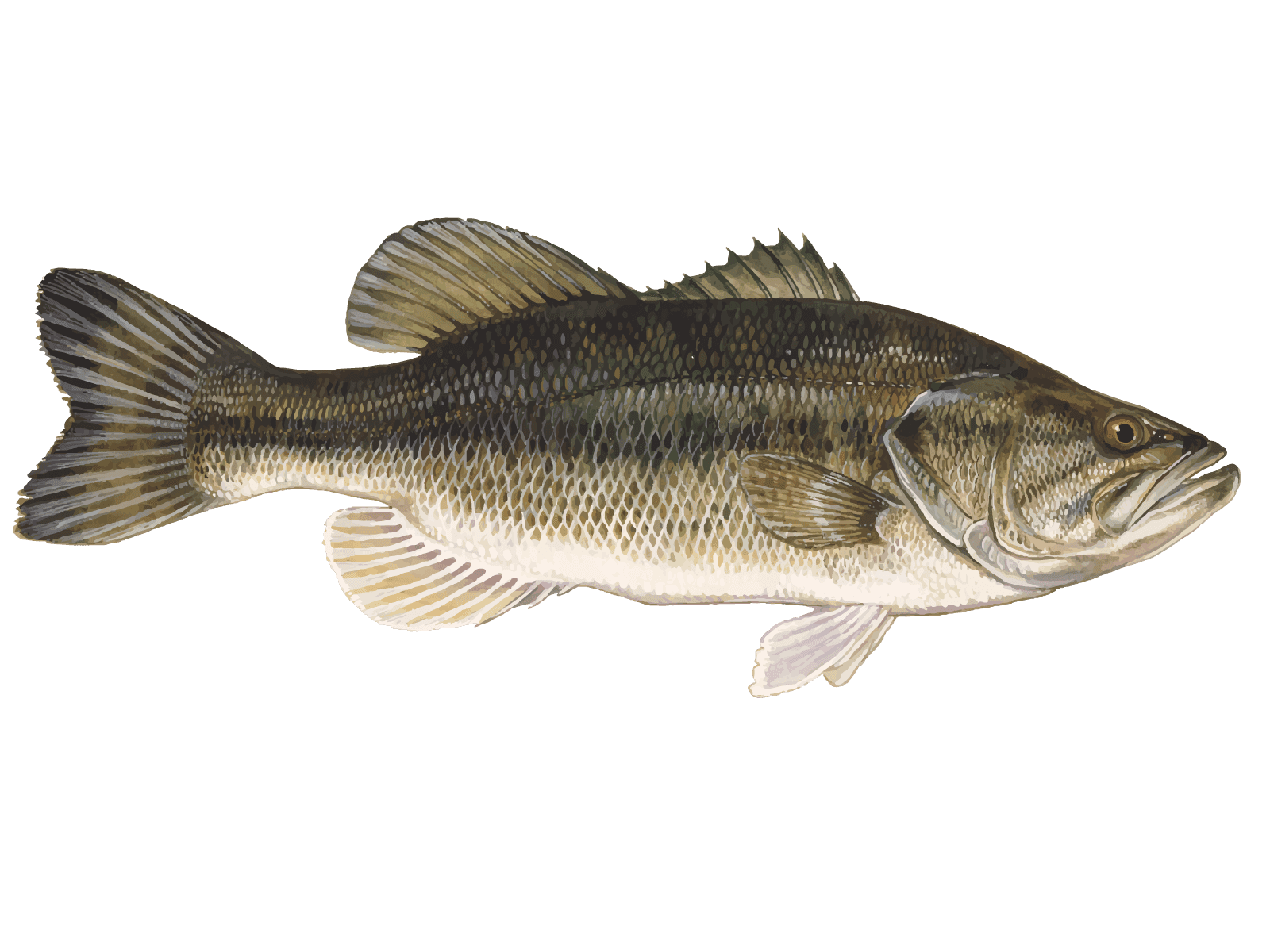
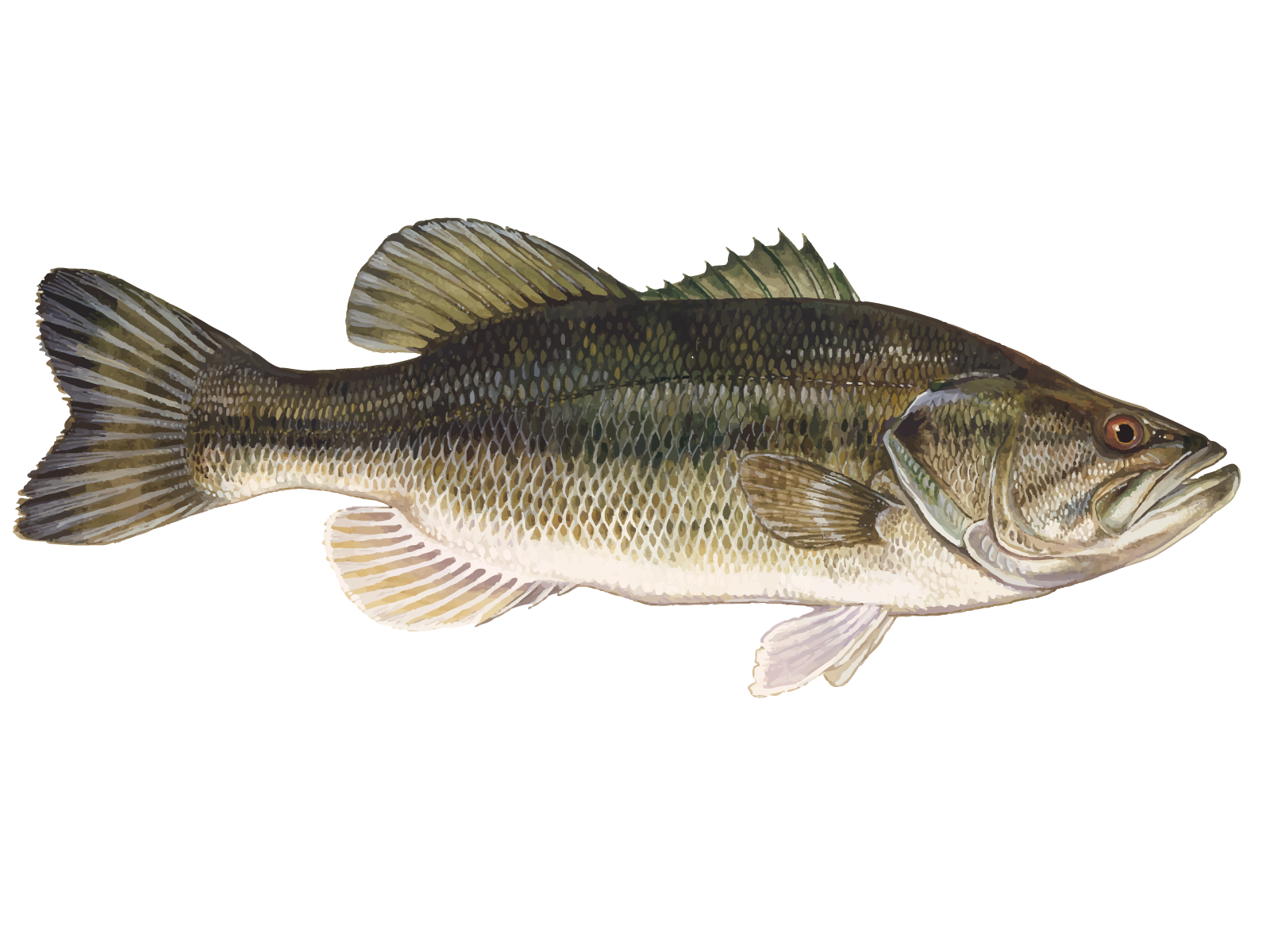 Largemouth Bass
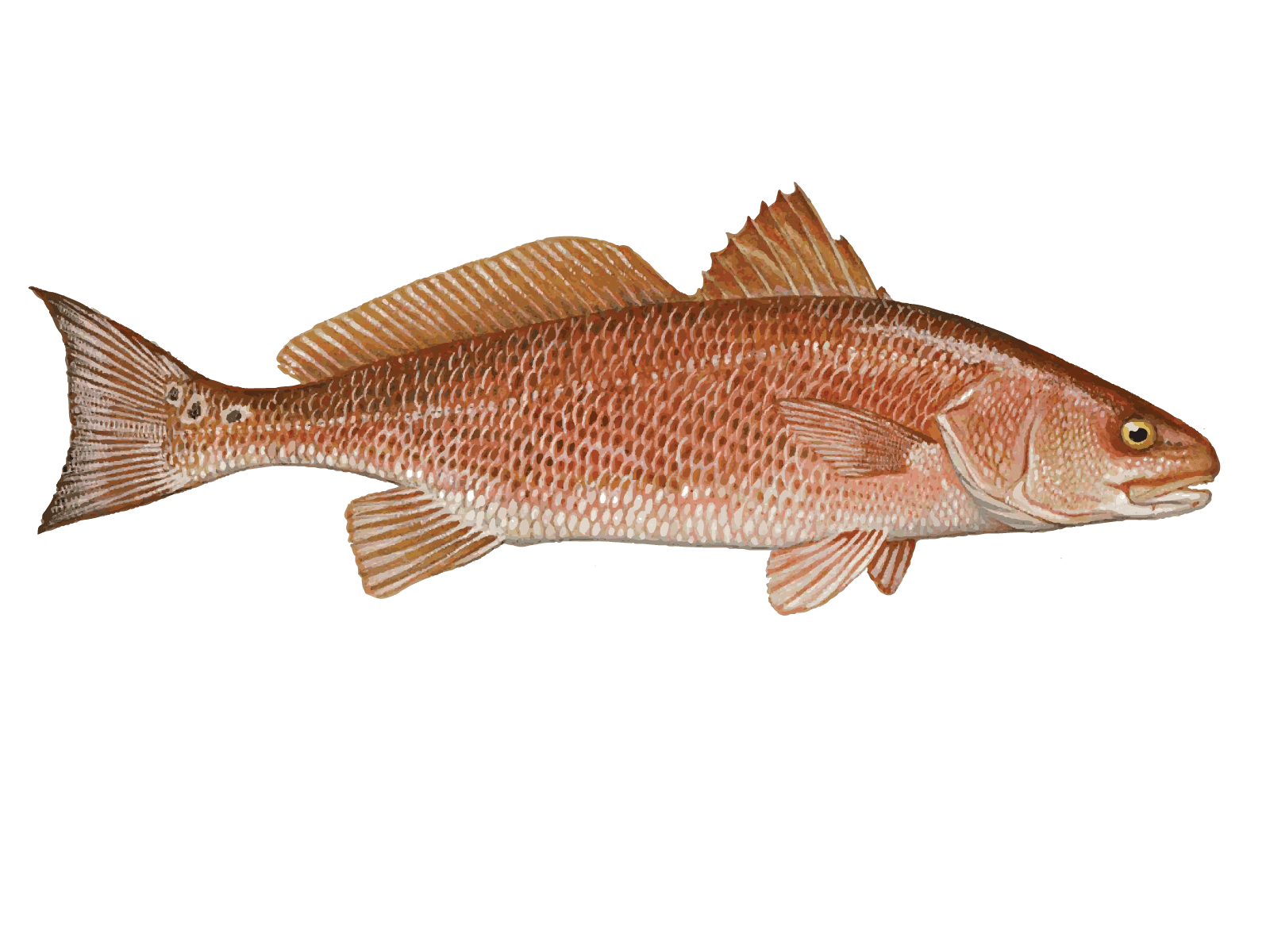
 Redfish
 Snook
Snook Tarpon
- 4-hour morning trip targeting redfish, snook, and trout
- Advanced technique instruction with experienced Captain Shawn Walker
- Saltwater or freshwater fishing based on optimal conditions
Trip Pricing and Availabilities:
Suwannee Inshore Fishing for Skilled Anglers
Captain Shawn Walker knows that serious anglers want more than just a day on the water – they want to dial in their techniques and consistently hook quality fish. This half-day charter out of Suwannee is built for anglers who already know their way around a rod and are ready to push their skills to the next level. Starting at 7:00 AM, you'll have four focused hours to work productive inshore waters where redfish cruise the flats and snook ambush baitfish along mangrove edges. The early morning start puts you on the water when fish are most active, and Captain Shawn's local knowledge means you'll be positioned where the action is hottest. With both saltwater and freshwater options available, this trip adapts to conditions and your target species preferences, making every outing a strategic fishing adventure.
What to Expect on the Water
This isn't a basic fishing lesson – it's a masterclass in reading water and fine-tuning your approach. Captain Shawn works with a maximum of two anglers, so you'll get hands-on guidance without the crowd. The Suwannee River system offers incredible diversity, from grass flats where speckled trout feed to deeper channels where tarpon roll during summer months. You'll learn to adjust your lure presentation based on tide stages, water clarity, and seasonal patterns that locals have figured out over decades of fishing these waters. The game plan shifts throughout the trip as Captain Shawn reads conditions and moves to the most productive spots. Whether you're sight-casting to tailing redfish or working structure for black drum, every cast has purpose and strategy behind it. The technical focus means you'll leave with new skills that translate to better fishing wherever you drop a line.
Techniques & Tactics
Captain Shawn specializes in dialing in the details that separate good anglers from great ones. You'll work with artificial lures, learning how subtle changes in retrieve speed and rod tip action can trigger strikes from finicky fish. The shallow inshore waters demand precise boat positioning, and you'll see how reading current breaks, grass edges, and depth changes leads to more hookups. Depending on conditions, you might be pitching jigs into mangrove pockets, working topwater baits over grass flats, or drifting live bait along drop-offs. The beauty of Suwannee's diverse fishery is the ability to switch between saltwater and freshwater tactics based on what's producing. Captain Shawn carries quality tackle suited for different scenarios, but experienced anglers often bring their favorite rods to really dial in their preferred setup. The technical instruction covers everything from knot selection to hook setting angles, giving you the kind of insider knowledge that only comes from years of guiding these waters.
Top Catches This Season
Largemouth bass in the Suwannee system are true giants, with fish over eight pounds regularly caught around cypress trees and submerged timber. These bass are aggressive and fight harder than their pond-raised cousins, using current and structure to their advantage. Spring and fall offer the best action when bass are actively feeding, but summer early morning trips can produce explosive topwater strikes. The thrill comes from the combination of size and fight – these river bass know how to use the current to test your drag system and technique.
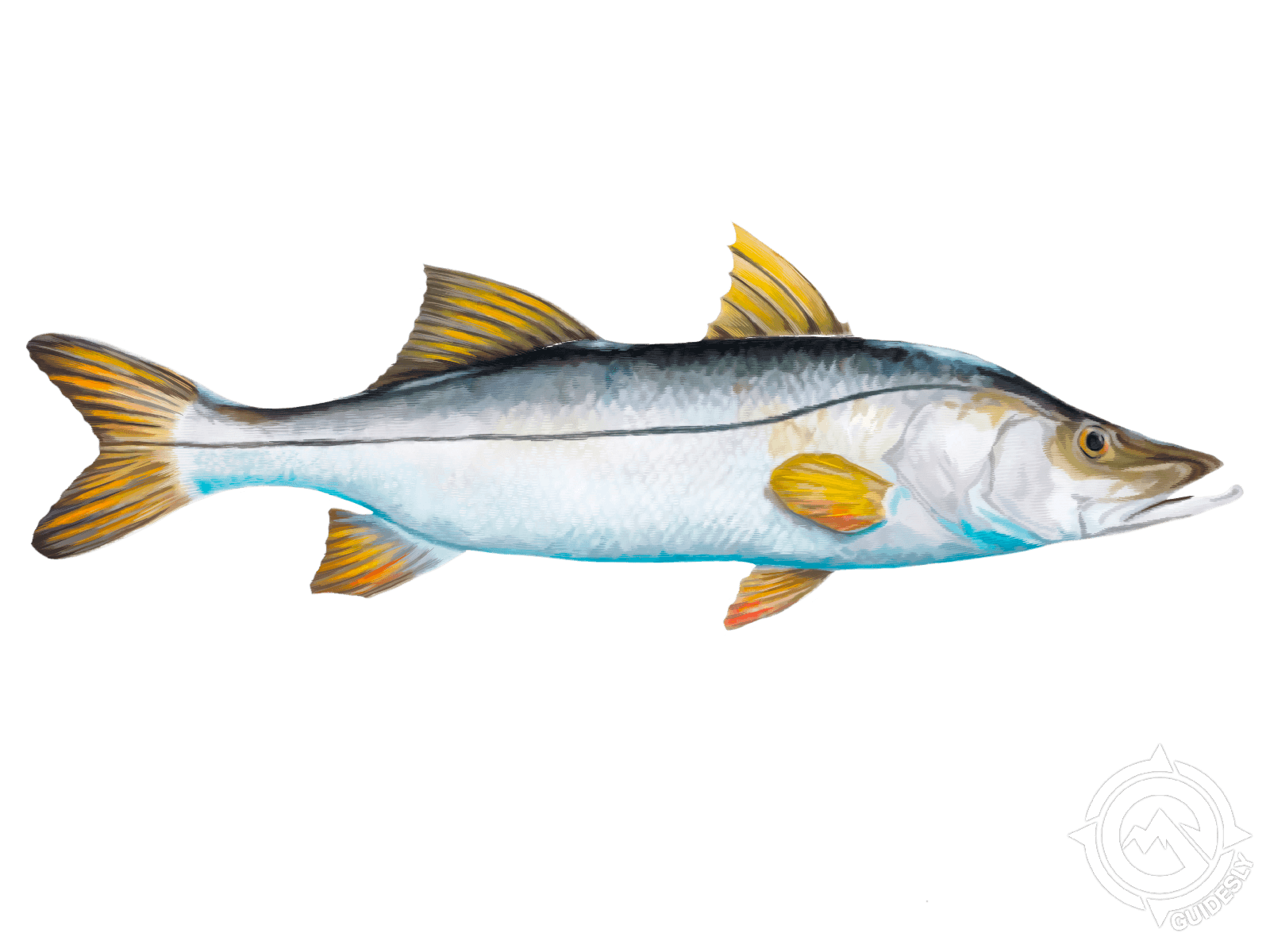
Snook are the ultimate inshore challenge, with their gill-rattling jumps and razor-sharp gill plates that cut lines if you're not careful. Suwannee's snook population thrives around mangrove shorelines and dock structures, particularly during warmer months from May through October. These fish are ambush predators that require perfect lure placement and quick reflexes on the hookset. A quality snook will test everything you know about playing fish, combining speed, power, and cunning into one package that keeps anglers coming back for more.
Black drum are the bulldogs of the inshore world, using their broad shoulders and stubborn nature to wear down anglers who underestimate them. These fish patrol grass flats and oyster bars year-round, with larger specimens showing up during spring spawning runs. What makes black drum special is their methodical fight – they don't jump or make blazing runs, but they pull with relentless pressure that tests your endurance and tackle. Finding schools of feeding drum is like discovering gold, as these fish often travel in groups and provide steady action once located.
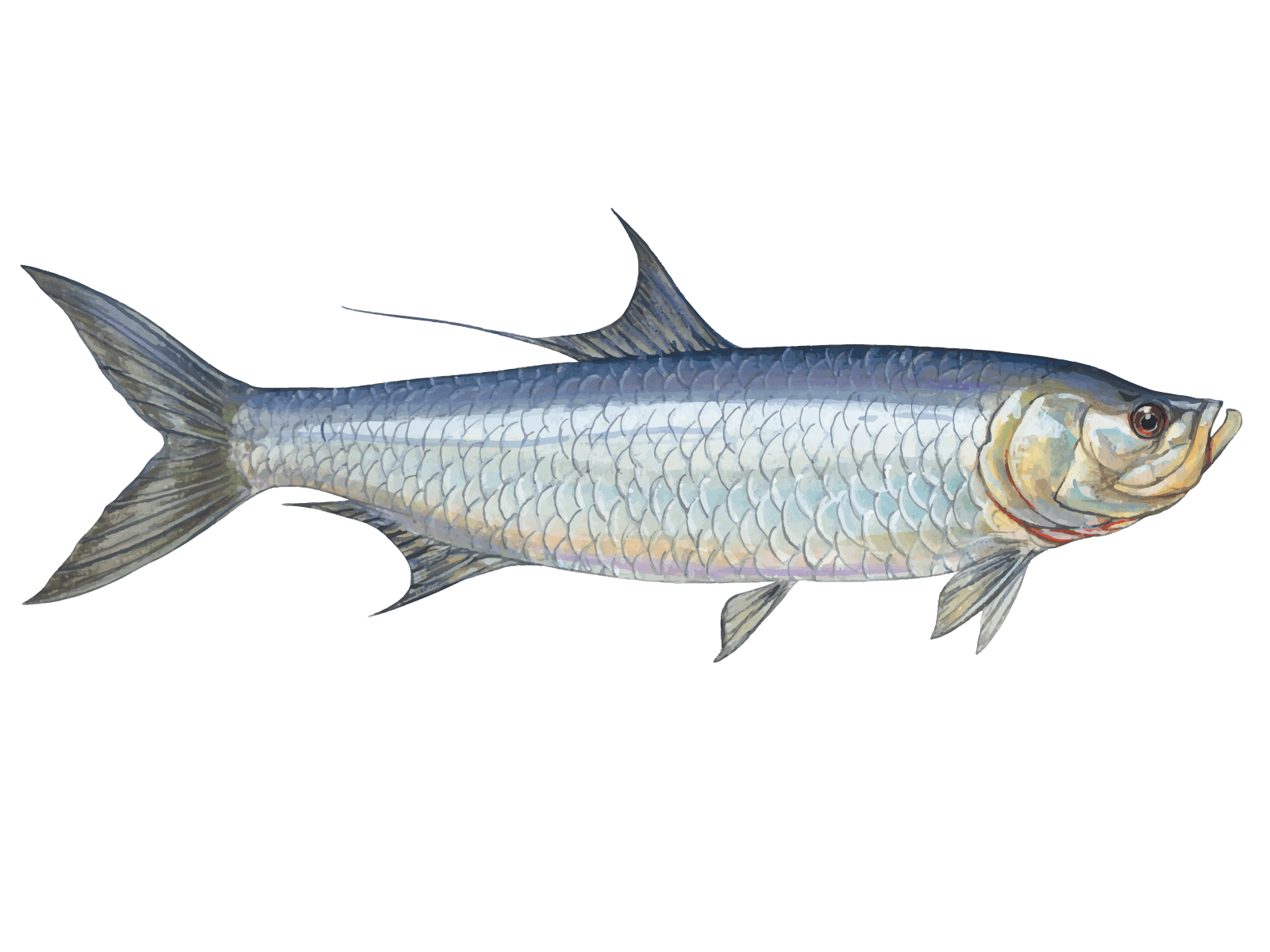
Tarpon are the ultimate game fish, bringing a combination of size, aerial acrobatics, and raw power that few species can match. Suwannee's tarpon season runs from late spring through early fall, with fish ranging from juvenile "poons" in the 20-30 pound class to monsters exceeding 100 pounds. The key to tarpon success is patience and proper tackle – these fish have mouths like concrete and require sharp hooks and steady pressure. When a tarpon goes airborne, shaking its massive head and gill plates, you'll understand why anglers travel across the country just for a chance at one of these silver kings.
Redfish are the backbone of Gulf Coast inshore fishing, offering consistent action and impressive fights in shallow water. Suwannee's reds are known for their copper-colored backs and aggressive feeding behavior around oyster bars and grass flats. These fish are available year-round, with larger "bull" reds showing up during fall spawning migrations. What makes redfish special is their willingness to eat a variety of baits and their spectacular runs when hooked in shallow water. A quality redfish will strip line and test your drag while providing the kind of visual excitement that makes inshore fishing addictive.
Time to Book Your Spot
Captain Shawn's technical approach and local expertise make this trip perfect for anglers ready to elevate their game. The early 7:00 AM start time puts you on prime fishing water when conditions are optimal, and the four-hour duration keeps the pace intense and productive. At $450 for up to two anglers, you're investing in skills and knowledge that
Learn more about the species
Black Drum
Black drum are the heavyweights of the flats, typically 5-30 pounds but capable of hitting 50-plus. These gray-black bruisers have crushing jaws built for oysters and crabs. You'll find them on muddy bottoms, oyster bars, and around structure in 2-15 feet of water. Spring spawning season is prime time when they school up and are easier to locate. Anglers love them for their bulldogging power - they don't jump but they'll pull drag and test your patience. Smaller ones eat well, but the big ones are tough. The key with drum is staying on the bottom with fresh crab or cut bait. They're picky eaters, so match your weight to the current and keep that bait right where they're feeding.
Largemouth Bass
Around here, largemouth bass run 12-24 inches and put up a solid fight with those big mouths that extend past their eyes. You'll find them in the quieter freshwater spots - around fallen trees, thick grass, and creek mouths where they can ambush prey. Spring and fall are prime time when water temps are steady. What makes them fun is they're aggressive and will hit everything from swimbaits to topwater plugs. The meat's decent on smaller fish, but most folks are here for the action. Pro tip: when you're working heavy cover, don't be afraid to really work that plastic worm slow and deliberate - they'll often mouth it before committing to the full strike.
Redfish
Redfish are our bread and butter inshore species, averaging 18-28 inches with that copper-red color and distinctive black spot near the tail. They cruise super shallow water - sometimes with backs exposed - around oyster bars, grass flats, and mangrove shorelines. Fall and spring offer the most consistent action, but they bite year-round. What makes them special is their willingness to eat topwater lures and their strong, steady fights. Plus they're some of the best eating fish in these waters. The trick with reds is staying quiet and watching for tailing fish or nervous water. When you spot them, cast well ahead and work your bait slowly back toward them - they spook easy in skinny water.
Snook
Snook are one of our premier inshore targets, typically running 18-30 inches with that distinctive black lateral line and yellow-tinged fins. They love structure - mangroves, docks, creek mouths, and anywhere there's current and cover in 2-8 feet of water. Late spring through early fall is peak season, especially around the new and full moons when they're more active. What gets anglers fired up is their explosive strikes and acrobatic fights - they'll jump and make strong runs. The meat's top-shelf eating too. Here's the thing about snook: they're incredibly structure-oriented, so get your lure tight to cover. A soft plastic jerkbait worked right along the mangrove edge will often trigger strikes when other baits won't.
Tarpon
Tarpon are the silver kings - 4-6 feet of pure athleticism that can jump 8 feet out of the water. Late spring through summer is when they move through our waters, following baitfish in channels and around passes. They're found everywhere from shallow flats to deeper channels, but the action happens where the bait is. Nobody targets tarpon for the table - it's all about the fight and those spectacular jumps. A hooked tarpon will test every piece of your tackle and your skills. The secret with tarpon is patience and proper hookset. When they eat, don't jerk back hard - bow to the fish when they jump to keep tension without breaking them off. Live bait works, but a well-placed fly or lure is just as deadly.
About the Suwannee FL fishing charters
%2F%2Fusers%2Ff9edccf9-d5e0-4cd5-bbbe-a95a6b04606b%2Fvehicle_picture%2F464078764_506834072347134_285740098011275093_n.jpg&w=1920&q=75)
Vehicle Guest Capacity: 5
Manufacturer Name: Mercury
Maximum Cruising Speed: 31
Number of Engines: 1
Horsepower per Engine: 115